
Helping Children Prepare Emotionally for Back to School

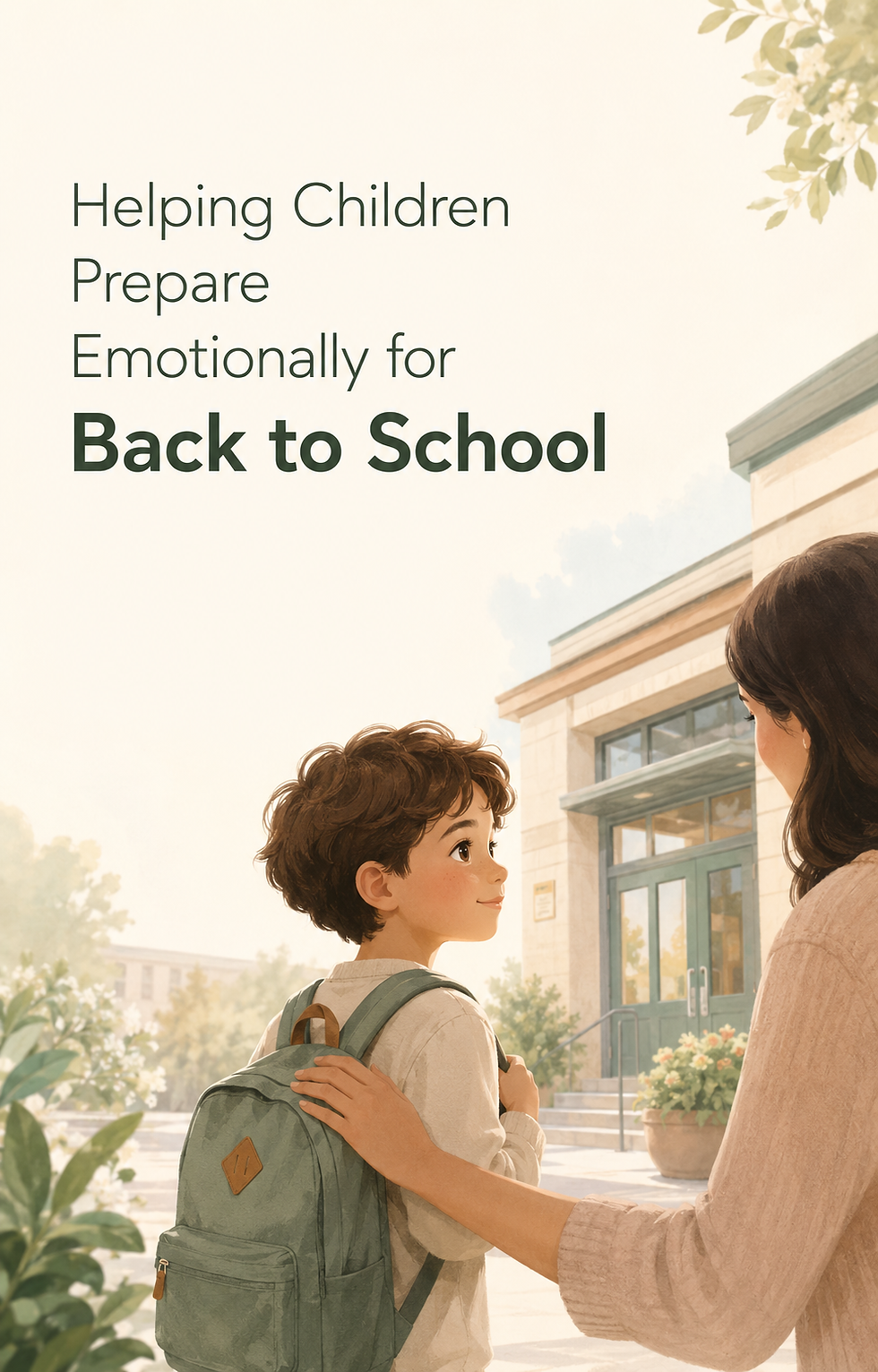
A new school year can bring excitement, but it can also bring uncertainty, worry, and big emotions.
Children may be adjusting to a different classroom, a new teacher, unfamiliar classmates, and changes to their daily routine. Even children who enjoy school may need time and support before they feel comfortable again.
Preparing for school involves more than buying supplies and choosing a first day outfit. Children also need emotional preparation, predictable routines, and reassurance as they move through this transition.
Why School Transitions Can Feel Overwhelming
During the summer, bedtimes, morning routines, meals, and activities may become more flexible. Returning to school can suddenly bring earlier mornings, longer days, increased expectations, and less control over what happens next.
For some children, especially children with autism, anxiety, or sensory sensitivities, these changes can feel overwhelming. They may be unsure about where they will sit, who will help them, what the classroom will sound like, or what will happen if they need a break.
Even when a child cannot explain these concerns, their behavior may communicate that something feels difficult.
Common Emotional Reactions
Children respond to transitions in different ways. Some may openly say that they are nervous, while others may show their feelings through changes in behavior.
You may notice:
• Trouble falling asleep or waking during the night• Stomachaches or headaches• Increased irritability or crying• More questions about school• Clinginess or difficulty separating• Changes in appetite• Refusing to discuss school• Increased meltdowns or emotional outbursts• Needing more reassurance than usual
These reactions do not necessarily mean that something is wrong. They may simply mean that your child’s nervous system is working hard to adjust.
Preparing Children Beyond School Supplies
Emotional preparation can help make the transition feel more predictable and manageable.
Start talking about school gradually. Keep conversations calm and allow your child to guide how much they want to discuss. Some children feel comforted by detailed information, while others become more anxious when school is mentioned too often.
If possible, review pictures of the school, visit the campus, or practice the route you will take each morning. Talk about what may stay the same, such as seeing a familiar staff member, bringing a favorite lunch, or returning home at the end of the day.
A simple visual schedule can also help children understand what their school morning will look like. Practice the routine before the first day so it does not feel completely new.
Most importantly, make space for every feeling. A child can feel excited and nervous at the same time.
Helpful phrases include:
• “It makes sense that this feels different.”• “You do not have to figure everything out on the first day.”• “We can practice the morning routine together.”• “You can tell me what feels easy and what feels hard.”• “I am here to help you through this.”
How ABA Can Support Routines and Transitions
Applied Behavior Analysis, or ABA, can help children build practical skills that support greater independence and confidence during the school year.
An ABA therapy team may help a child practice:
• Following a morning routine• Getting dressed and packing a backpack• Moving between activities• Waiting and taking turns• Asking for help or requesting a break• Communicating discomfort• Managing changes in expected routines• Completing tasks one step at a time
These skills should be taught with patience and respect for the child’s individual needs. The goal is not to remove every emotional reaction. The goal is to help the child communicate, understand what is happening, and move through transitions with appropriate support.
How Therapy Supports Anxiety and Emotional Regulation
Mental health therapy can give children a safe place to explore their worries about school.
A therapist may help a child recognize how anxiety feels in their body, identify emotions, develop coping tools, and practice expressing what they need. Therapy can also help children work through concerns about friendships, separation, academic pressure, bullying, or previous difficult school experiences.
Emotional regulation does not mean that a child never becomes upset. It means helping them understand their emotions and recover with support.
Depending on the child’s needs, helpful strategies may include breathing exercises, grounding activities, movement, sensory tools, calming routines, or creating a plan for difficult moments at school.
Tips for Parents During the First Few Weeks
The beginning of the school year is an adjustment period for the entire family. Children may hold themselves together during the school day and release their emotions once they return home.
Try to keep afternoons calm during the first few weeks. Your child may need food, quiet, movement, connection, or time alone before answering questions about their day.
Instead of asking several questions immediately, try saying:
• “I am happy to see you.”• “You can tell me about your day when you are ready.”• “Would you like a snack, some quiet time, or time together?”
Keep routines as predictable as possible, but leave room for flexibility. Some evenings may require fewer demands and an earlier bedtime.
Pay attention to patterns rather than focusing on one difficult day. If anxiety, physical complaints, sleep problems, or school refusal continue or become more intense, reach out to your child’s teacher, therapist, pediatrician, or treatment team.
Supporting the Transition Together
Children do not need a perfect first day or a perfect first week. They need time, patience, and adults who are willing to listen.
When families, teachers, ABA professionals, and mental health therapists work together, children can receive consistent support at home, in therapy, and at school.
Amy’s Angels Health Care provides ABA therapy and mental health services designed to support children and families through everyday challenges, important transitions, and emotional growth.
If your child needs additional support preparing for the school year, contact Amy’s Angels Health Care to learn more about our services.


Comments